When database development is described, the details often get vague when the data gets beyond spreadsheet-size. There is 'hand-waving' talk of providing databases for each developer, but little detail of how you would provision all the databases that would be needed, at the correct version and with the correct development data, and then keep them all in sync with the source code, as developers commit changes. This article explains the requirements, and how SQL Clone can meet them. Read more
Everyone knows SQL Prompt for its code completion and IntelliSense features, but a lot of its extra value comes from features that allow the development team to standardize coding practices and drive up code quality. Read more
How can you use GitHub to do team-based database development? This article proposes a process that splits development work into task-based GitHub branches, incorporates daily database builds and integration testing, and uses Redgate tools to automate tasks such as provisioning, database scripting, and testing. Read more
Chris Unwin describes a classification-driven static data masking process, using SQL Data Catalog to classify all the different types of data, its purpose and sensitivity, and then command line automation to generate the masking set that Data Masker for SQL Server can use to protect this data. Read more
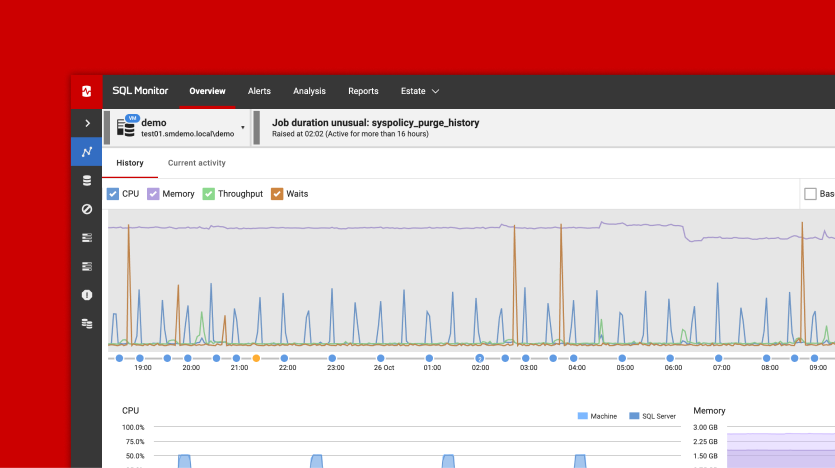
Phil Factor explains how SQL Monitor helps focus performance tuning efforts on the tables and queries where 'rogue indexes' might be a significant problem, and then how to identify both 'missing' indexes that might be beneficial to the overall workload, and those that are unused or duplicated, and so are doing more harm than good. Read more
In this article, you'll learn how to detect and remove a common cause of SQL Server query performance problems: reliance on implicit datatype conversions. We'll use a combination of plan cache queries, extended events, and SQL Monitor. Read more
Phil Factor sets out with the modest aim of giving you enough of an introduction to waits to better understand the wait information you get from a SQL Server monitoring tool like SQL Monitor, and the rather overwhelming amount of information available in the underlying DMVs and Extended Events. Read more
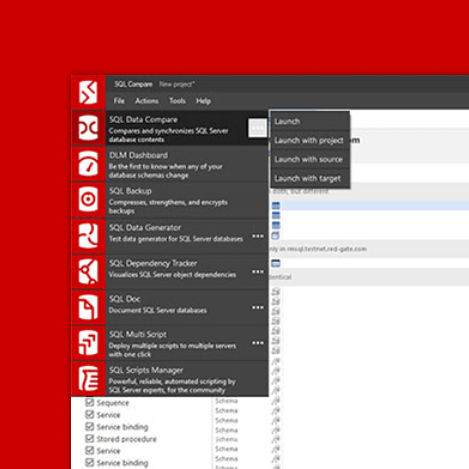
Filters are used by Redgate's SQL Compare, SQL Source Control, DLM Dashboard, and SQL Change Automation. A typical use for a filter is to work on just one schema within a database or just a limited set of tables and routines. You would also want to use a filter to exclude certain object, such as database users, from comparisons. Phil Factor explains how they work, and how to create, edit and then use them within the various Redgate tools. Read more