This article takes a strategic look at common data masking and anonymization techniques, and the challenges inherent in protecting certain types of sensitive and personal data, while ensuring that it still looks like the real data, and retains its referential integrity, and distribution characteristics. It also explains, briefly, with references,…Read more
Use of the MONEY and SMALLMONEY datatypes can lead to unintentional loss of precision, due to rounding errors, during calculations. It is generally far better to use the DECIMAL, a.k.a. NUMERIC, type.Read more
Much has been written on the strategic benefits of having a database under source control though many articles are clear on “why” but conspicuously vague on “how”. Dave Poole tries to fill in some of the gaps.Read more
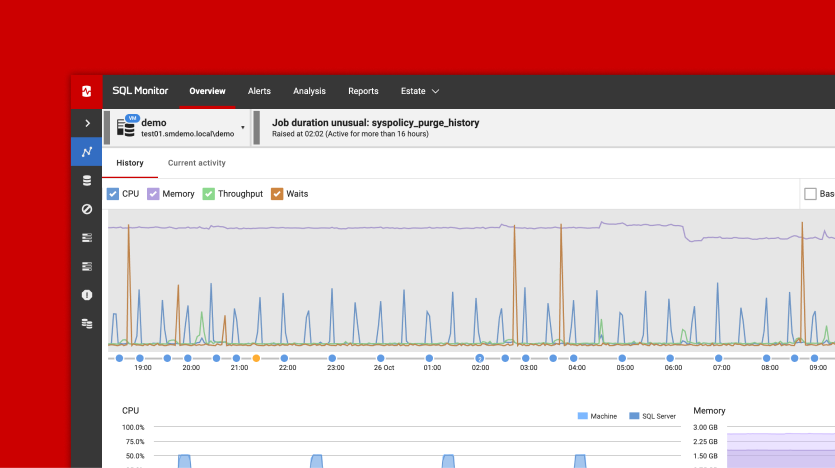
Overuse of ad-hoc queries by applications is a common source of SQL Server performance problems. The symptoms include high CPU and memory pressure. Phil Factor offers a simple custom metric to monitor the percentage of ad-hoc queries being executed on a database, and shows how Redgate Monitor can detect when…Read more
This article explains some simple steps to create a GitHub database repository and then version control your SQL Server database, for team development work, using SQL Source Control.Read more
Chris Unwin explains the basic approaches to anonymizing email addresses, and shows how Data Masker can generate realistic email addresses, based on faked names, and even retain the correct distribution of email providers.Read more
Use of the read committed snapshot isolation level is often an effective way to alleviate blocking problems in SQL Server, without needing to rewrite the application. However, it can sometimes lead to tempdb contention. This article offers a small-scale solution (not suitable for use on large tables) to detect cases…Read more
SELECT…INTO is a useful shortcut for development work, especially for creating temporary tables. However, it no longer has a clear performance advantage and should be avoided in production code. It is better to use a CREATE TABLE statement, where you can specify constraints and datatypes in advance, making it less…Read more
How to qualify object names, standardize the use of aliases, and make other instant changes that improve the quality and performance of your SQL code.Read more