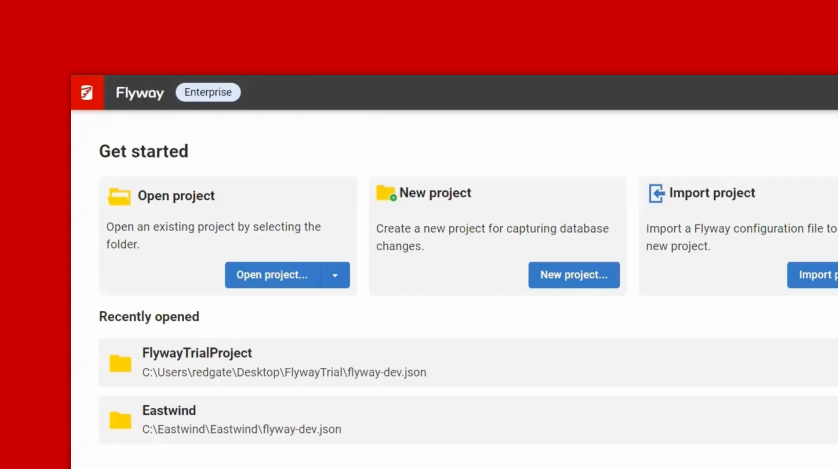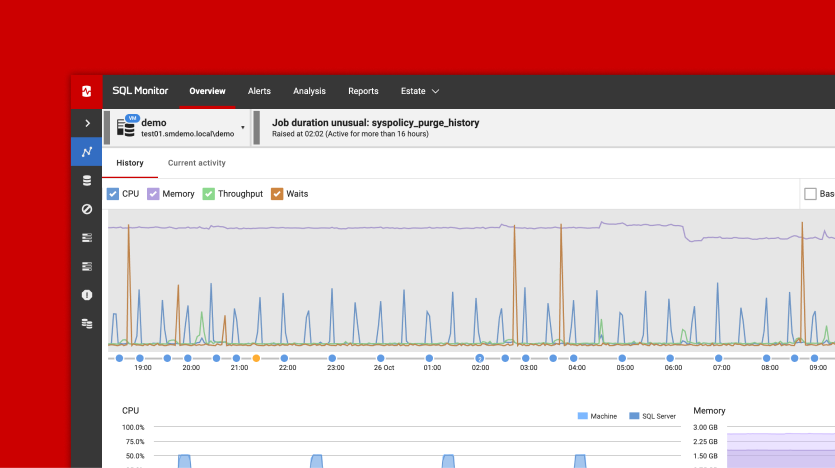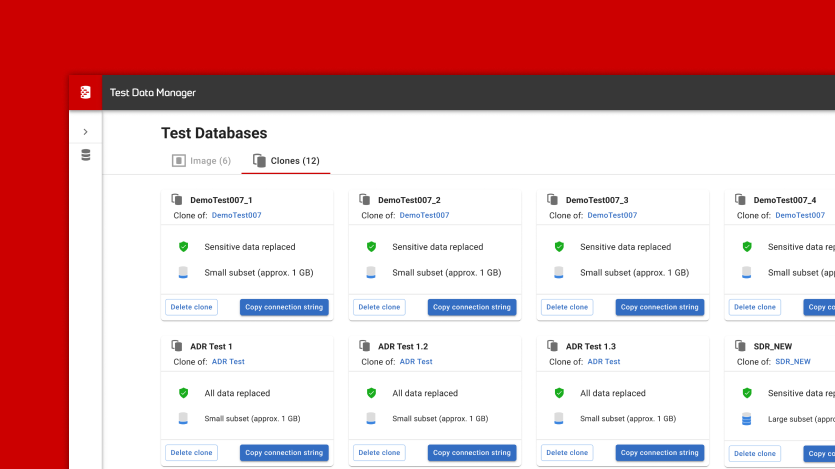
Developing and deploying database changes can be a complex task, made more challenging by the fact that development teams need to move fast, while also protecting an organization’s crown jewels: its data. Speed of delivery and protecting data can often feel incompatible, but there are industry-proven database DevOps practices that…Read more
After reuniting in Seattle last year for the PASS Data Community Summit, we’re excited to bring you another jam-packed schedule of informative and educational sessions. There’ll be a lot going on at Summit, so we’ve created a list of our top five Redgate sessions you will not want to miss…Read more
Whether it’s an element of digital transformation such as a cloud transformation, or a broader ask from the business such as a new revenue stream creation, IT architects have a big job on their hand with multiple stakeholders to satisfy and teams to align. So how do other architects solve…Read more
A practical catalog of database design patterns — normalized, star schema, time-series, event sourcing, and more. Learn when to use each, with real-world trade-offs and examples.Read more
We recently rounded up the top Cloud and the top Postgres sessions that we’re excited to attend at PASS Data Community Summit 2023. The beauty of Summit is that there is way more to learn than just the technical! There are lots of sessions designed to help support your career…Read more
We now support SSO (single-sign on), offering an improved login experience for our customers. SSO can be enabled on our website. We want our customers to have a great experience when using our products and part of that is an easy sign-in experience for users. Enabling SSO will remove the…Read more
To find out more about cloud migrations, the pitfalls that await the unwary, and what the security implications are, I recently sat down with Dustin Dorsey, Systems & Data Architect at Biobot Analytics, based in Cambridge, MA. In the first post in this series, we talked about cloud providers being…Read more
While the cloud is recognized as more secure than on-premises servers and infrastructures, it does come with the often talked about shared responsibility model. Cloud providers are responsible for security ‘of’ the cloud, while their clients are responsible for security ‘in’ the cloud. It’s ‘differently secure’, rather than the traditionally…Read more