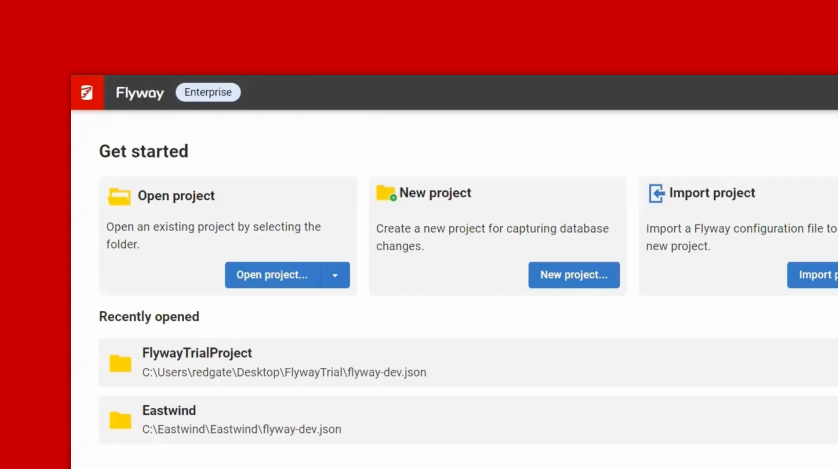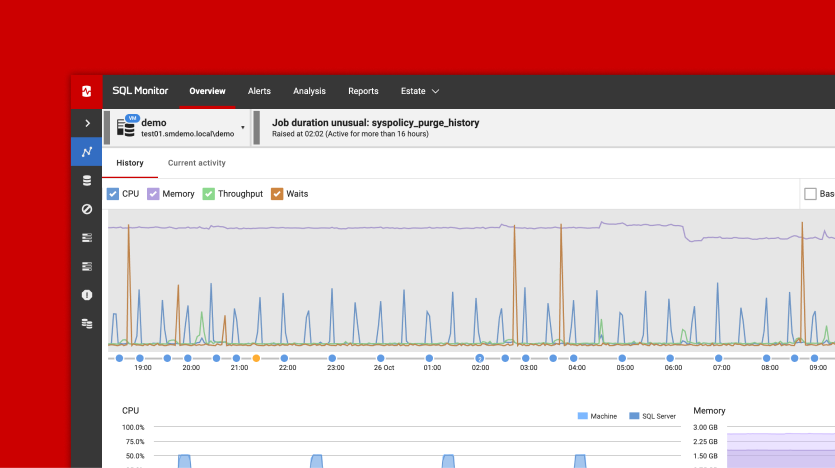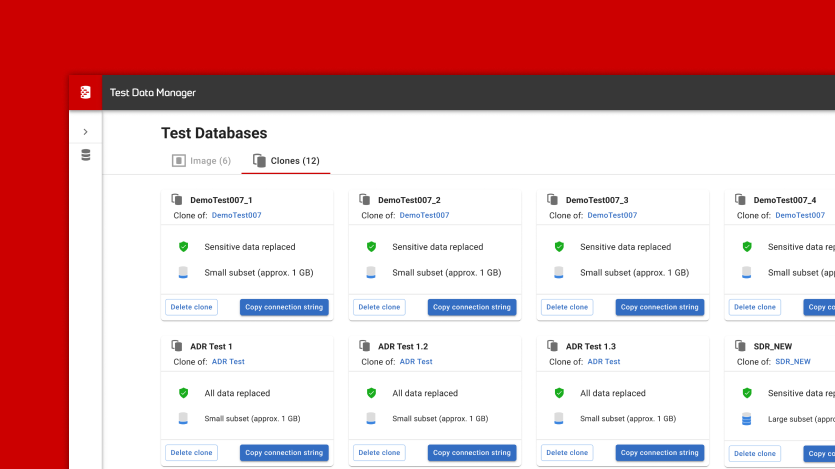
When you begin to automate your deployments, you’re also going to start automating your testing. After all, a deployment, in and of itself, is a test. However, pretty quickly, you are going to come to the question that’s the title of this post: Who is responsible for building tests? I…Read more
When I first started trying to figure out how to automate database deployments, over 15 years ago, I will freely admit, I was both skeptical and reluctant. I had to be dragged up to the notion that automating getting the database code out the door wasn’t just an excuse by…Read more
This article presents the most common database constraints in SQL along with examples. We show how to easily define and use them in the Redgate Data Modeler.Read more
Almost every time I teach a class on DevOps, one of the questions that comes up is: How do we do code reviews in this automated process? There are actually a number of answers to this question. Let’s walk through a few. Source Control If you’re automating your deployments, I…Read more
Once you’ve committed to changing your culture in order to automate your database deployments, what’s next? You’ve already done the hard part, making the decision to shift the culture. Now, what’s involved is just lots of labor. There are three things you can do to begin your Database DevOps journey:…Read more
Cardinality is a vital concept to understand and implement. Learn about the role it plays in defining the entity relationships in an ER diagram.Read more
In 2017, Redgate published the first State of Database DevOps report, based on a survey of IT and database professionals from around the world. Every year since then, it has provided insights into the adoption, usage, challenges and benefits of DevOps and database DevOps. We’ve just launched the fifth edition…Read more